


The Innovation Blueprint

We’re remarkably good at adapting to bad design. We’ll ignore a flaw, find a workaround, and repeat a clunky habit until it becomes the norm.
The most iconic brands in history refuse to let us settle. They’re two steps ahead, removing those flaws we’ve gotten used to and giving us back the time and energy we didn’t even realize we were wasting. But when we see something different, our first reaction is usually, "I don't need that. What I have works fine." Then we try it and realize fine is actually a total pain in the neck.
That was the kind of lightbulb moment that inspired the extendable MoGlow mirror. Let’s take a look at some of the most game-changing brands in history and what they taught us along the way.
The Household Tech Evolution
Think back to the pre-smartphone days. Before 2007, the BlackBerry was the gold standard for serious mobile users: tiny, tactile plastic keys, and all.
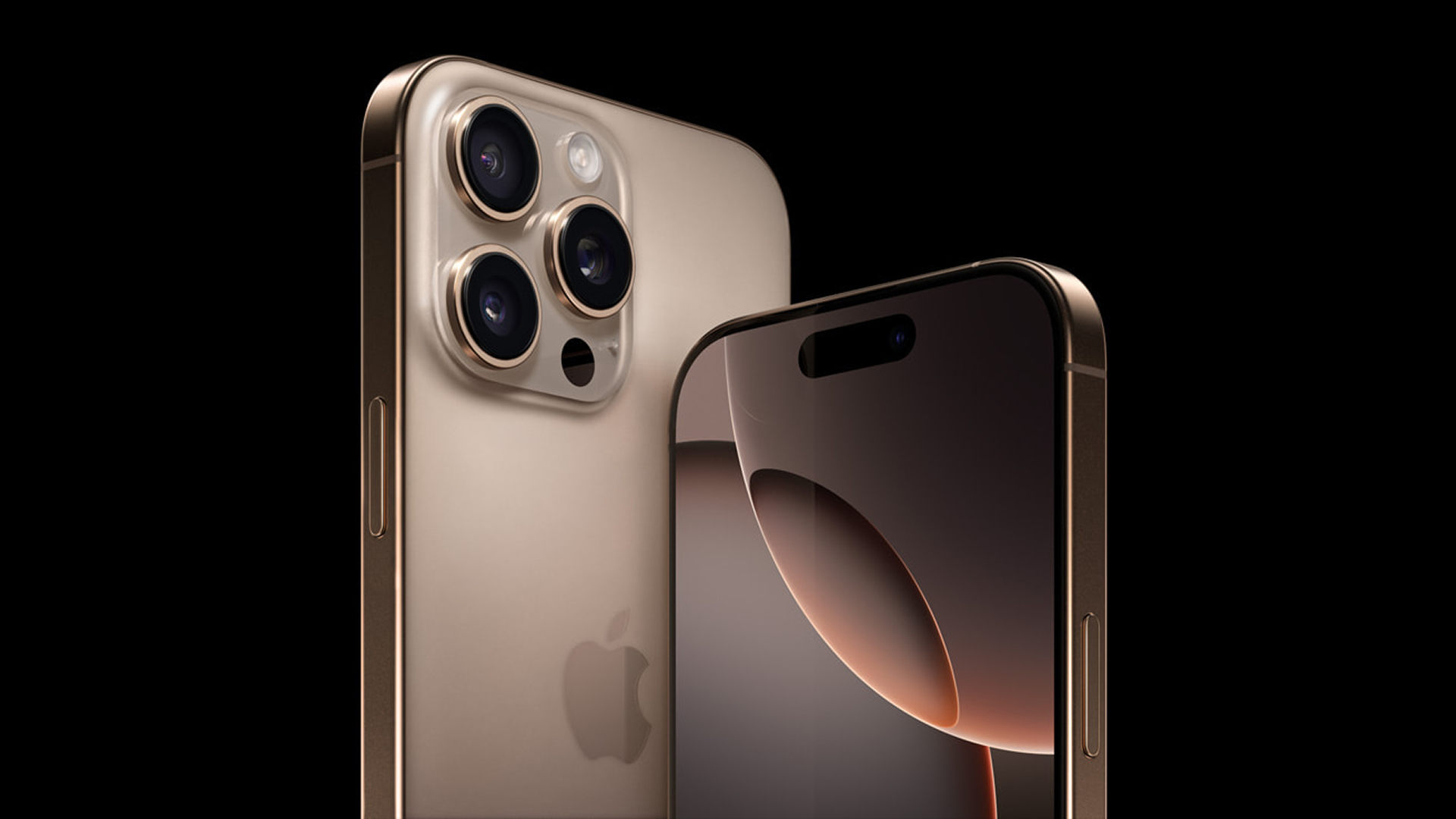
A fragile all-glass screen seemed totally impractical until Steve Jobs stood on a stage and physically demonstrated the iPhone’s “pinch-to-zoom.” Suddenly a keyboard seemed like a waste of space, and Apple was the definitive name in the cellphone game.
And who expected the classic blender to get a cult following? For decades, it was the noisy box that still left chunks of ice and fruit in your smoothies. Meanwhile, your pantry was still full of appliances for every other meal. Then Vitamix transformed the blender into a powerful performance tool for everything from raw veggies to ice cream.
Yeti doesn’t claim to make the only insulated cooler or cup, but they do obsess over making the best version possible; no more flimsy latches or room temperature drinks. That obsession with quality has transformed the brand into a status symbol.
What we learned: These brands focused on perfecting functionality; a screen that works with a swipe, a mug that keeps your coffee hot until the last sip. They proved that simplicity is more useful than a ton of complex features.
Smarter Beauty Habits
That forward-thinking wave has hit the beauty industry, too. Traditional blowdryers can cause heat damage, not to mention the strain they put on our arms during a blowout. But when Dyson launched the Supersonic hair dryer, it seemed like an intimidating tool from a sci-fi movie. So what did they do? Set up Demo Stores where you can see and feel the difference in person.
Jones Road Beauty led the charge towards multipurpose “no-makeup makeup” and proved that better results come from better ingredients and formulas, not just more products. That’s a huge move in an industry that often tries to sell us on a 12-step routine.
And going back to the iPhone, Rhode managed to level that up in a whole new way. The beauty brand’s iconic Lip Case saves your gloss from the depths of your bag and secures it to your most-used gadget, because they know we’re reapplying on the go and our phones are always within reach.
What we learned: These brands were clearly keeping tabs on our behavior for years. Instead of asking us to change our habits, they designed products to fit them.

Applying What We Learned
For as long as mirrors have existed, we’ve worked around them. Whether we’re applying makeup, putting in contacts, or grooming a beard, the same thing happens: hunching over the counter and straining our necks to get our face closer to the mirror. We’ve been doing it for so long, we don't even realize the physical toll it takes.
Why is MoGlow different? We took our insights on your beauty habits and engineered our most game-changing feature: a telescopic rod. Instead of you bending to the mirror, our extendable mirror adjusts to your eye level while you sit or stand comfortably. Sounds simple, but it’s a major ergonomic and mindset shift.
The reaction we get follows a very specific pattern. At first, people wonder, "Do I really need a telescopic mirror?" After they use it, the next thing they say is nearly always, "I can't believe I used to lean over my sink every morning."
It’s a universal aha! moment and a rejection of a so-called standard that was never actually good for us. From the phones in our pockets to the mirrors on our counters, once you experience technology that adapts to your body and behavior, instead of the other way round, there’s no going back.
Just take it from our clients:
“Our favorite features are the easy telescoping height and the dimmable ring light.”
“Finally I can do my makeup hands free standing at my vanity. Love that it can be eye level.”
“Variable height, long battery life. Beats the heck out of my old Simplehuman.”
